Elevating Jewelry Hygiene and Display: A Complete Guide to 3D Printed Earring Try-On Sticks
In the evolving world of handmade jewelry and artisan crafts, presentation is just as critical as the product itself. Whether you are selling at a bustling craft fair, managing an online Etsy shop, or displaying pieces in a boutique, the way customers interact with your earrings can define their purchasing decision. However, a significant challenge remains: hygiene. Traditional earring cards allow for display but prevent testing, while letting customers try on earrings directly from the display raises sanitary concerns. This is where the Earring Hygiene Try-On Stick STL collection bridges the gap between safety, aesthetics, and functionality.
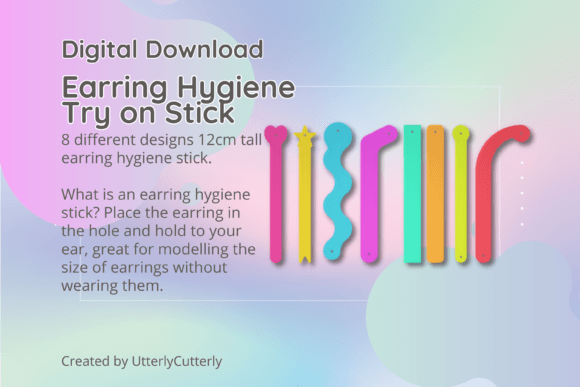
This digital download offers a modern solution for jewelers and 3D printing enthusiasts alike. By providing files for eight distinct designs, this resource allows creators to manufacture their own professional-grade display tools. Understanding how to utilize these files, optimize print settings, and leverage them for business growth is essential for anyone looking to professionalize their jewelry presentation.
The Intersection of Sanitation and Customer Experience
Post-pandemic consumer behavior has permanently shifted expectations regarding hygiene in retail environments. For jewelry sellers, this presents a unique dilemma. Earrings are intimate accessories; they touch the skin and enter piercings. Allowing multiple people to test the same pair without a barrier is no longer acceptable to many buyers. Conversely, keeping earrings sealed in packaging until purchase eliminates the tactile experience that often drives sales.
The earring hygiene try-on stick solves this by acting as a sterile intermediary. These sticks mimic the shape and weight distribution of an earlobe, allowing customers to visualize how an earring hangs without ever touching the actual jewelry hook or post. When a customer wants to test a piece, they select a fresh stick (or a sanitized one), insert the earring onto it, and hold it near their face. This process maintains the integrity of the jewelry, prevents tarnishing from finger oils, and reassures the buyer that their health is a priority.
Versatility Across Sales Channels
The utility of these 3D printed sticks extends far beyond simple hygiene. They serve multiple strategic purposes across different sales platforms:
- Craft Fairs and Markets: In high-traffic environments, speed and cleanliness are paramount. Having a jar of uniform try-on sticks looks professional and invites interaction without the fear of contamination.
- Product Photography: Consistency in listing photos builds brand trust. Using identical white or neutral-colored sticks for all earring listings creates a cohesive visual identity. The 12cm height provides ample space for cropping and staging.
- Retail Upselling: Because the STL file includes a commercial license for physical products, sellers can manufacture these sticks in bulk and sell them as accessories to other jewelry makers, creating a secondary revenue stream.
Understanding the Digital Asset: What You Are Buying
It is vital for new users to understand that this product is a digital download, not a physical shipment. Upon payment, you receive immediate access to STL files. STL (Standard Tessellation Language) is the industry-standard file format for 3D printing, containing the geometric data necessary for a printer to build an object layer by layer.
This specific package includes eight different designs. Variety is crucial because jewelry comes in many forms; a heavy statement earring may require a sturdier stick design than a delicate stud. All sticks in this collection share standardized dimensions: 12cm tall and 2 to 3mm thick. This consistency ensures that regardless of which design you choose, your display remains uniform and proportional.
Commercial Licensing and Intellectual Property
A key value proposition of this digital asset is the included commercial license. Many free or paid STL files restrict usage to personal projects only. This product explicitly permits the sale of physical objects created from the file. This means you can print thousands of try-on sticks and sell them at markets or online. However, it is equally important to understand the restrictions: the digital file and design itself cannot be shared, resold, or redistributed. Respecting intellectual property rights ensures the sustainability of the designer ecosystem and protects your own business from legal complications.
Technical Guide: Optimizing Your 3D Print Settings
While the files are tested before sale, successful printing depends heavily on your specific hardware and slicer software. Beginners often assume that downloading a file guarantees a perfect print, but 3D printing is a calibration-dependent process. The manufacturer recommends specific baseline settings that serve as an excellent starting point for achieving functional, durable try-on sticks.
Recommended Baseline Configuration
- Nozzle Size: Use a 0.4mm nozzle. This is the standard for most FDM printers and offers the best balance between detail and print speed for objects of this size.
- Print Speed: Set to 40 mm/sec. While modern printers can go faster, jewelry displays benefit from slower speeds to ensure smooth surface finishes and dimensional accuracy. Rushing this print may result in layer lines that look unprofessional.
- Wall Count: Given the thin profile (2-3mm), ensure you have at least 3 to 4 perimeter walls. This provides the structural rigidity needed to hold heavier earrings without snapping.
- Infill: 15-20% infill is generally sufficient. Since these are display tools rather than load-bearing mechanical parts, excessive infill wastes time and material.
Note: Always run a test print before committing to a large batch. Bed adhesion is critical for tall, thin objects; using a brim or raft may be necessary depending on your printer’s bed type.
Material Selection for Professional Results
The choice of filament impacts both the aesthetic and function of the try-on stick. While PLA is the most common material due to its ease of use, considering the end-use is important.
- Matte PLA: Highly recommended for photography. Glossy filaments create hotspots under studio lights, whereas matte PLA absorbs light evenly, making the earring the focal point.
- PETG: Offers slightly more flexibility and durability than PLA. If your sticks will be handled roughly at busy fairs, PETG may resist snapping better over time.
- Color Psychology: White is the industry standard as it implies cleanliness and neutrality. However, black or grey sticks can provide better contrast for silver jewelry, while cream tones complement gold. Having multiple colors printed allows you to match the stick to the metal tone of the jewelry being displayed.
Best Practices for Usage and Maintenance
Owning the tools is only half the equation; implementing a hygiene protocol completes the system. Even though the sticks act as a barrier, they should be treated as single-use or sanitizable items.
Sanitization Protocols
If reusing sticks, establish a strict cleaning routine. Wipe down each stick with 70% isopropyl alcohol after every use. Allow them to air dry completely before returning them to the display jar. For events, consider having two jars: one labeled "Fresh" and one labeled "Used/Sanitize Me." This visual cue reinforces your commitment to hygiene to customers watching the process.
Storage and Organization
Because these sticks are 12cm tall, they fit easily into standard glass apothecary jars, acrylic organizers, or even custom-printed holders. Organizing them by design or color streamlines workflow during busy sales periods. Additionally, because you have the digital files, you can print replacements instantly if a stick breaks or goes missing, eliminating supply chain delays associated with traditional display props.
Navigating Digital Product Policies
When purchasing digital manufacturing files, buyers must be aware of the unique terms of service. Unlike physical goods, digital files cannot be "returned" once downloaded. This policy protects the creator's intellectual property. Therefore, it is the buyer's responsibility to verify they have the correct equipment (a 3D printer) and basic slicing knowledge before purchasing.
However, reputable designers stand behind their quality. If you encounter corrupted files or geometry errors despite using recommended settings, contacting the seller is the appropriate course of action. Most issues arise from slicer misconfigurations rather than file defects, and sellers can often provide troubleshooting guidance to help you achieve the intended result.
Conclusion: Empowering Makers Through Technology
The Earring Hygiene Try-On Stick STL collection represents more than just a set of 3D models; it is a business tool that empowers jewelry makers to take control of their presentation. By combining the flexibility of digital fabrication with the practical needs of retail hygiene, these sticks solve real-world problems for artisans. Whether you are enhancing your product photography, ensuring safety at a market, or diversifying your income by selling supplies, understanding and optimizing these digital assets is a step toward a more professional, resilient creative business.
As 3D printing technology becomes more accessible, the line between digital design and physical commerce continues to blur. Mastering these tools today prepares makers for a future where customization, hygiene, and on-demand production are the standards of the handmade marketplace.