3D Tumbled Stones Background for Creative Projects
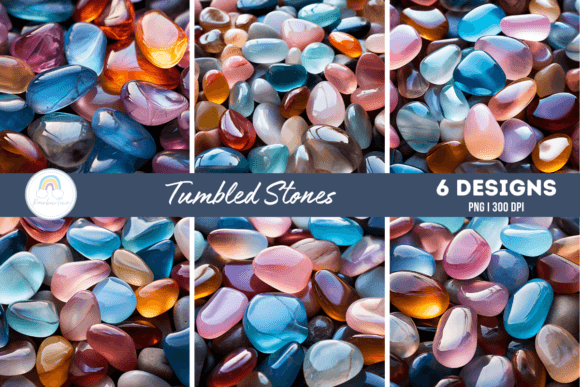
Elevating a digital design often comes down to the quality of its foundation. A 3D tumbled stones background offers more than just texture; it provides a sense of weight, history, and organic stability that flat colors or simple gradients cannot achieve. For creators working in sublimation, print-on-demand, or digital publishing, this specific aesthetic bridges the gap between natural earthiness and modern digital precision. The visual depth created by simulated lighting and shadow on rounded stone surfaces adds an immediate layer of professionalism to mugs, apparel, greeting cards, and web assets.
Unlike jagged rock textures or smooth marble patterns, tumbled stones possess a unique softness. They are weathered, smooth, and approachable, making them versatile for a wide demographic ranging from wellness brands to rustic home decor lines. When utilized correctly at high resolution, these backgrounds transform generic merchandise into tactile experiences that customers want to touch, even when viewing them on a screen.
Understanding the Visual Appeal of Tumbled Textures
The effectiveness of a 3D stones background lies in its ability to mimic physical reality without overwhelming the foreground content. Tumbled stones have been smoothed by water and time, resulting in rounded edges and varied surface tones. This lack of sharp contrast makes them ideal backdrops because they do not compete with text or central imagery. Instead, they support the design hierarchy.
For designers, the three-dimensional aspect is crucial. Flat clip art often looks pasted onto a product, breaking the illusion of quality. A true 3D render captures ambient occlusion and specular highlights, giving the impression that light is actually interacting with the surface. This realism is particularly important for sublimation printing on curved surfaces like ceramic mugs or tumblers, where the wrap-around effect needs to feel continuous and grounded. The organic variation in stone color also helps hide minor printing inconsistencies or fabric weave textures, ensuring the final product looks polished.
Practical Applications in Sublimation and Apparel
Sublimation creators face the constant challenge of finding backgrounds that look good on both white and colored substrates. High-resolution 300 DPI files sized at 12x12 inches provide the necessary flexibility for this medium. When designing for t-shirts or hoodies, consider using the 3D tumbled stones background as a pocket-sized accent rather than a full-front print. This reduces ink saturation on the fabric, keeping the garment breathable while still delivering a strong visual impact.
For hard goods like coasters, phone cases, and garden flags, the full 3600 x 3600 px coverage allows for seamless edge-to-edge printing. The natural palette of tumbled stones pairs exceptionally well with botanical illustrations, inspirational quotes, or minimalist line art. Because the stones themselves carry significant visual interest, you can afford to use simpler typography. A clean sans-serif font in white or cream often pops beautifully against the multi-tonal greys and browns of the stone texture, creating legible, high-contrast designs that sell.
Digital Design and Content Creation Strategies
Beyond physical products, these backgrounds serve as powerful assets for digital marketers and educators. Social media templates benefit immensely from textured backgrounds because they stop the scroll. In a feed dominated by solid colors and AI-generated gloss, the matte, organic finish of tumbled stones signals authenticity. Use these PNG files as base layers for Instagram stories, Pinterest pins, or YouTube thumbnails related to mindfulness, geology, gardening, or sustainable living.
Educators and publishers can utilize these textures for worksheet borders, certificate backgrounds, or ebook covers. The neutral nature of the stones ensures they remain appropriate for various age groups and subjects without appearing childish or overly corporate. When designing digital planners or journaling apps, a 3D stones background can simulate the feeling of writing on a natural surface, enhancing the user's sensory connection to the digital tool. Always ensure your text maintains sufficient contrast ratios for accessibility; the varied tones of the stones may require a semi-transparent overlay to guarantee readability.
Customizing and Resizing for Specific Needs
While the included files are approximately 12 x 12 inches, creative projects rarely adhere to a single dimension. Starting with a 300 DPI source file gives you ample room to scale down for business cards or crop tightly for social media avatars without losing clarity. However, if you need to resize for larger formats like banners or wall art, maintain the aspect ratio to prevent the stones from looking stretched or distorted.
Layering is another effective customization technique. Since these are individual PNG files, you can combine multiple stone backgrounds to create a denser texture or blend them with other elements like dried flowers or watercolor washes. Adjusting the opacity or applying a color grade filter can shift the mood entirely—cool blue tones for spa products, warm sepia for vintage aesthetics, or desaturated greys for modern minimalism. This adaptability extends the value of the asset pack far beyond its original state, allowing you to build a cohesive brand identity across different product lines.
Technical Considerations for Best Results
Achieving professional output requires attention to technical details. Always work in CMYK color mode when preparing files for physical printing, as RGB screens display colors differently than ink. The note regarding color variation is significant; what looks like a warm beige on your monitor might print as a cooler taupe depending on your printer profile and substrate. Conduct test prints on your specific materials before committing to large production runs.
File organization is equally important for workflow efficiency. With six individual high-resolution PNGs, naming conventions matter. Rename files based on their dominant color or texture density (e.g., "TumbledStone_Grey_Dense_300dpi.png") rather than generic numbers. This saves time when searching for the right backdrop during tight deadlines. Additionally, keep your master files safe and work on copies to preserve the original 3600 x 3600 px integrity for future projects.
Maximizing Value Across Creative Disciplines
The versatility of a 3D tumbled stones background makes it a staple asset for diverse creators. Small business owners can use it to unify their packaging design, creating unboxing experiences that feel premium and thoughtful. Freelance designers can incorporate it into client presentations to add polish to mockups. Hobbyists crafting personalized gifts will find that the realistic texture elevates DIY projects to retail quality.
Ultimately, the goal is to leverage this digital asset to create tangible value. Whether you are selling sublimated mugs on Etsy, designing educational materials for a classroom, or building a brand identity for a wellness coach, the consistent thread is quality. By understanding the visual properties of tumbled stones and applying practical design principles, you transform a simple background file into a foundational element of your creative success. Remember that this listing provides digital files only, placing the power of creation and interpretation entirely in your hands. Use these high-resolution resources to build products that resonate with audiences seeking authenticity and craftsmanship in an increasingly digital world.